Plumbing, drains and water treatment across Las Vegas and Clark County. Call (725) 255-9011
PreferredPlumber Company

Leak detection in Las Vegas and Clark County

Leak detection that finds it without opening the house

Finding it is a separate skill from fixing it. Acoustic, pressure and thermal, before anyone cuts anything open.

  • Diagnosis before a price
  • Permitted work handled through the right office
  • No invented credentials on this site
Signs of a leak you cannot see, illustrative image for leak detection in Las Vegas
Illustrative image, not a photo of our work
291 ppmLas Vegas tap water hardness
17 gpgGrains per gallon, classed very hard
90%Of Southern Nevada water comes from Lake Mead
5Incorporated cities in Clark County, the rest is county

Figures above are published third party data, not company claims. Sources: Las Vegas Valley Water District, water district hardness figure, water district supply figure, Clark County.

  • Las Vegas and Clark CountyThe service area on our own mark. Every incorporated city in the valley plus the unincorporated towns, which is where about a million people live.
  • Repair, install, maintainThe three verbs on our logo, and the whole scope. Emergency repair through to planned replacement and annual servicing.
  • Water softeners, all makes and modelsInstallation, repair, replacement and maintenance, including units that came with the house. We are not an authorised dealer for any brand and we do not claim to be.
  • Sourced facts, no invented credentialsEvery local figure on this site links to the agency that published it. Nothing about licences, ratings or guarantees is printed until it has been verified.
The short answer

Finding a hidden leak is a separate skill from fixing one. Acoustic, pressure and thermal methods locate it before anyone opens a wall or a slab, which is the difference between one repair and a week of exploratory demolition.

Signs of a leak you cannot see

A visible drip is easy. These are the ones that run for months inside a wall, under a slab or out in the yard.

  • A water bill that stepped up with no change in how you use water
  • The sound of running water when every fixture is off
  • A warm patch on a tile or concrete floor, which suggests a hot water line under the slab
  • A wall or baseboard that is damp, stained or sweating
  • Paint bubbling, or drywall that is soft in one spot
  • A musty smell in one room that will not clear
  • Grass or landscaping that is greener or wetter in one strip, following the line route
  • Water pressure that has dropped gradually across the whole house
The meter test, which costs nothing

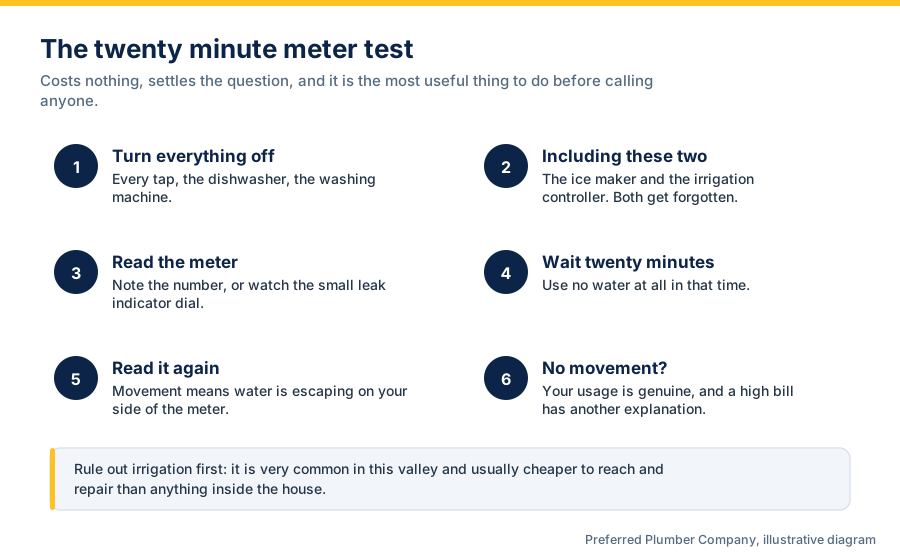
Turn off every water fixture and appliance in the house, including the ice maker and any irrigation. Then look at your water meter and note the reading, or watch the leak indicator if yours has one. Come back in twenty minutes. If the reading has moved with nothing running, you have a leak somewhere on your side of the meter. That single test is the most useful thing you can do before calling anyone.

How a leak is actually located

The method depends on where the leak is and what it is leaking into. Most jobs use two of these together.

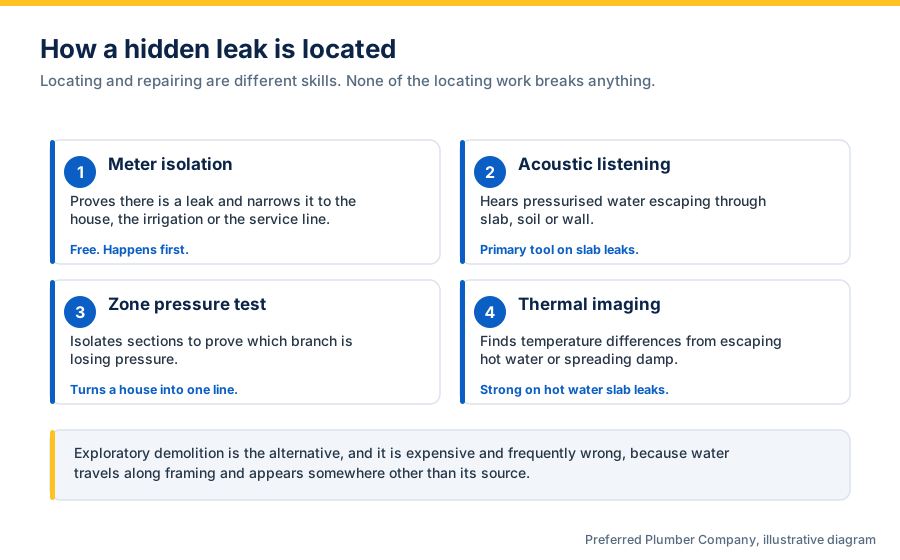
Leak location methods and their use
MethodWhat it is good at
Meter isolationEstablishes that there is a leak and narrows it to the house side, the irrigation side or the service line. Free, and it happens first.
Acoustic listeningHearing pressurised water escaping through slab, soil or wall. The primary tool on slab leaks.
Pressure testing by zoneIsolating sections of the system to prove which branch is losing pressure. Turns a whole house question into one line.
Thermal imagingFinding temperature differences from escaping hot water, or damp spreading through a wall. Strong on hot water slab leaks.
Tracer gasFor leaks that are hard to hear, particularly deep or in noisy environments.
Camera, for drainsDrain leaks are a different problem from supply leaks, and a camera is the tool for those.
Diagram of leak location methods, showing meter isolation, acoustic listening, zone pressure testing and thermal imaging
Diagram, not a photograph of our work
How it works

How a leak detection visit works

  1. Tell us what you have noticed

    The bill, the sound, the warm floor, the damp wall. And whether you ran the meter test, because that saves the first part of the visit.

    On the call
  2. Confirm and isolate

    Meter checked, then the system isolated by zone to work out which part of it is losing water. Irrigation gets ruled out early, because it is a common culprit and a cheaper fix.

    On site
  3. Pinpoint

    Acoustic, thermal or pressure work to get from a zone to a spot. The aim is a mark on the floor or wall, not an area.

    Same visit
  4. Quote the repair separately

    You get the location, what it will take to reach it, and the repair options. Locating and repairing are different scopes and you should see them separately.

    Before any repair

Where the leak turns out to be on the utility side of the meter, we tell you, and that is the utility responsibility rather than a bill from us.

Diagram of the twenty minute water meter test used to confirm a hidden leak
Diagram, not a photograph of our work
What it costs

What decides the price of leak detection

No rate or range for this work is published anywhere on this site, because none has been confirmed for publication for this business. What follows is the honest version: what actually moves the number on a job like this, so you can read any quote and judge it.

What you get from the call

Describe what is happening and you will hear what it usually means, what the repair involves and what somebody needs to see before quoting it. That happens whether or not you book the work.

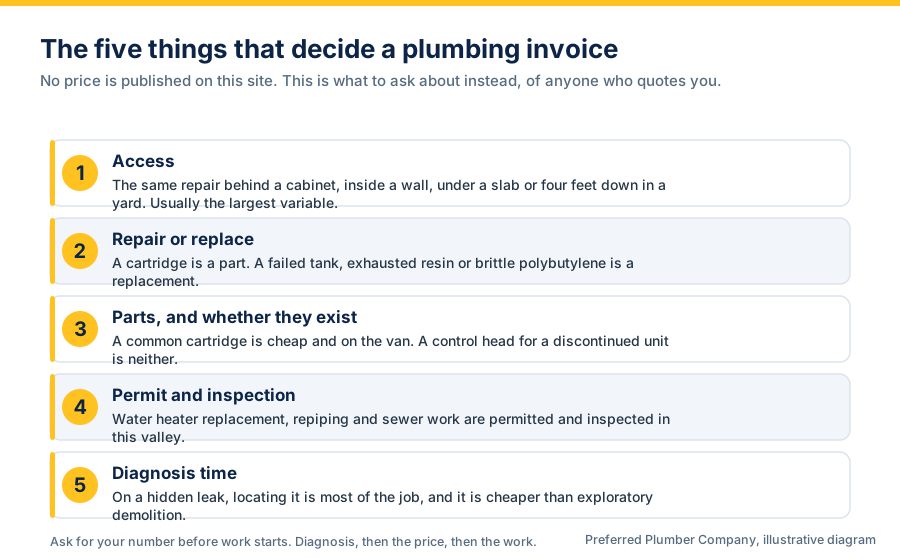
What moves the number on this job

  • Access. The same repair costs very different amounts behind a cabinet, inside a wall, under a slab or four feet down in a yard. Access is usually the largest single variable.
  • Repair or replace. A cartridge is a part. A failed tank, exhausted softener resin or brittle polybutylene is a replacement, and no amount of repair spend fixes those.
  • Parts, and whether they still exist. A common cartridge is cheap and on the van. A control head for a discontinued softener is neither.
  • Permit and inspection, where the work needs them. A water heater replacement, a repipe and sewer work are permitted and inspected in this valley. That is real time and real cost, and work done without it turns up later in a buyer inspection.
  • Diagnosis time. Finding a hidden leak is a separate skill from fixing it, and on a slab leak the locating is most of the job. Paying for it is cheaper than exploratory demolition.

What to ask whoever quotes you

  • Which of the five things above is driving this number.
  • Is this a repair or a replacement, and what made you choose.
  • Does the price include the permit and the inspection, where the work needs one.
  • What is your Nevada contractor licence number. Plumbing is classification C-1, Plumbing and Heating, and the Nevada State Contractors Board register lets you check any licence in about a minute. Ask us the same question.

Fair questions about leak detection

Why pay to find it when you could just open the wall?

Because exploratory demolition is expensive and often wrong. Locating first means one opening in one place. It is the cheaper path in nearly every case, and it is much cheaper when the leak turns out to be somewhere nobody would have guessed.

Can you find a leak without any damage?

Location itself is non invasive: listening, thermal and pressure work do not break anything. Reaching the leak to repair it will require access, but a located leak means a small, deliberate opening rather than a search.

What if you cannot find it?

It happens occasionally, usually with a very small intermittent leak. What you should expect is a straight account of what was ruled out and what the next step would be, not a repair quoted on a guess.

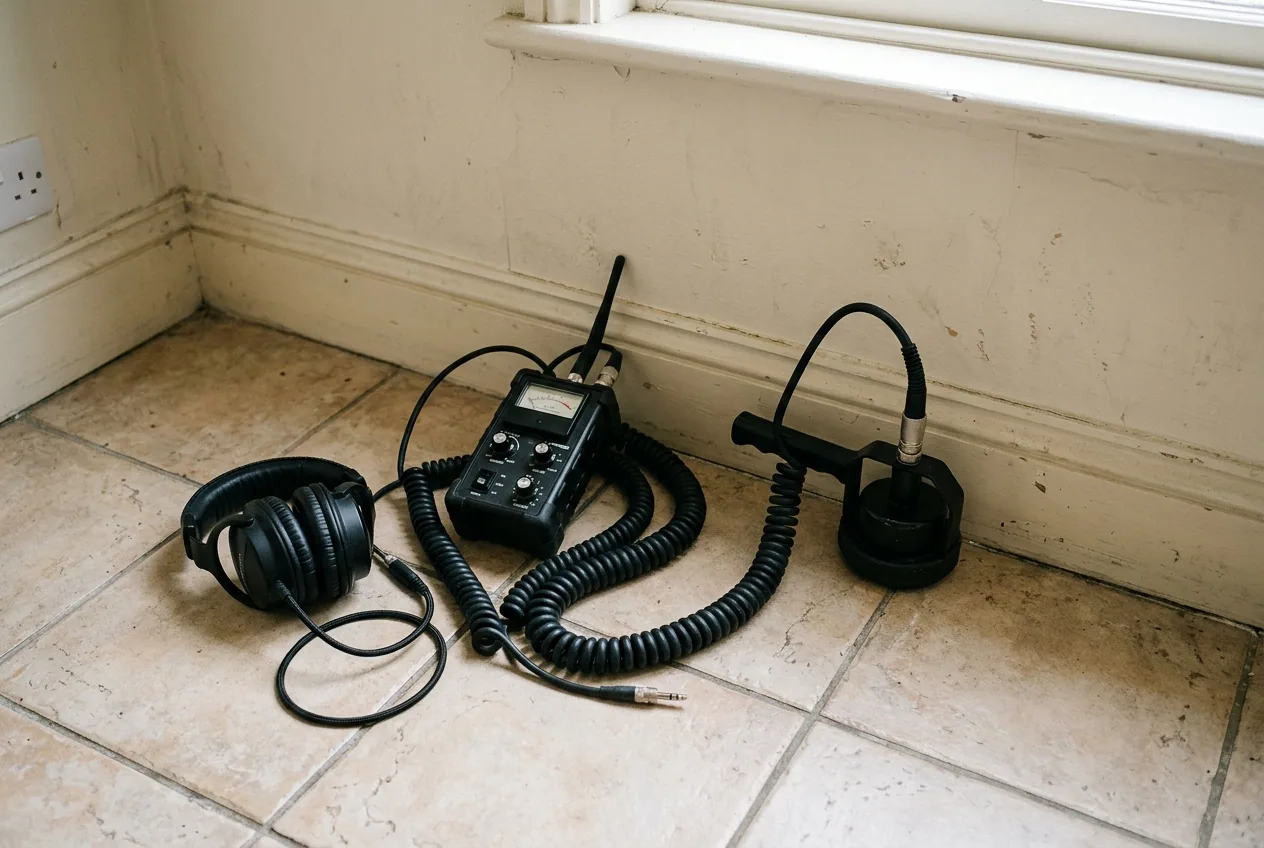
Diagram of the five things that decide a plumbing invoice, from access through to diagnosis time
Diagram, not a photograph of our work
Checkable, not claimed

We have no reviews to show you yet, so here is verifiable fact instead

A new site with a wall of glowing testimonials should make you suspicious, and this one does not have them because no review corpus has been verified for this brand. Rather than fill the space with invented quotes, these are three things about your water and your county that you can check against the agency that published them.

Your water is 291 ppm, and that is not our opinion

The Las Vegas Valley Water District publishes valley tap water at 291 parts per million, 17 grains per gallon, and categorises it as very hard. It is the reason fixtures and water heaters here do not last as long as the box promised.

Read the water district page

Softening is a preference, not a health need

The Southern Nevada Water Authority states that removing calcium and magnesium softens water but is not a necessity to protect your health. Any company telling you otherwise is contradicting the agency that tests your supply.

Read the water authority page

Nevada plumbing is licensed as C-1

Plumbing and Heating, issued by the Nevada State Contractors Board under chapter 624. You can check any contractor licence on their register in about a minute, and you should, before work starts.

Check a licence on the register
What the work looks like

Leak detection in a valley home

An illustrative image, not a photograph of our work.

Leak detection work in a Las Vegas home, illustrative image
Illustrative image, not a photo of our work

What the work looks like

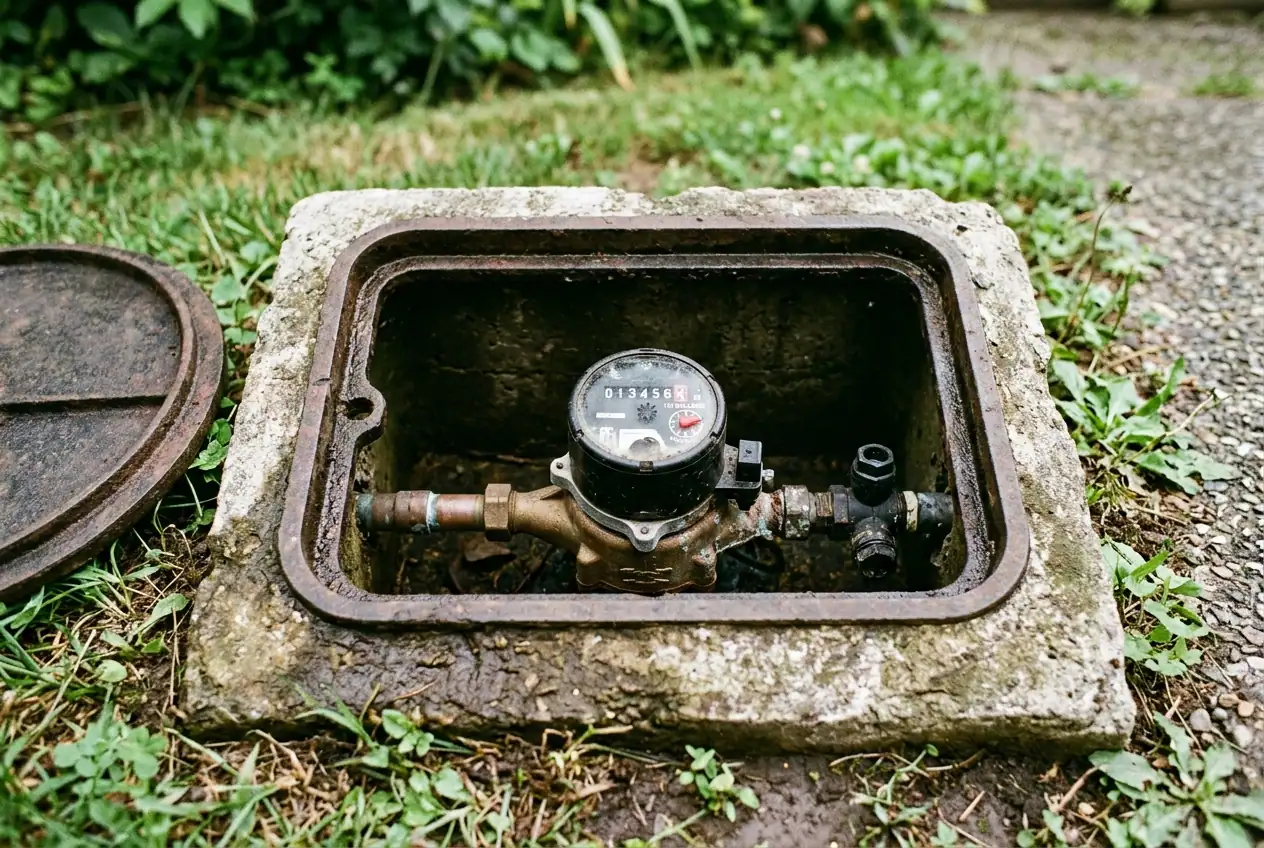
An illustrative view of the equipment and access this job involves. It is not a photograph of our work.

Photography note

These are illustrations and diagrams, not photographs of our work. No job photography, before and after pair, van, uniform or team photograph appears anywhere on this site, because we do not have verified photographs of this company work yet and generating them would fabricate evidence about a real business. Real job photography is on the list to add.

Related work and further reading

One way in, and it is the phone

Talk to us about leak detection

One call. You get the diagnosis before the number, and the cost of the visit before anyone is sent out.

Reach Preferred Plumber Company

Licence
Nevada State Contractors Board licence NV #0078989, C-1D Plumbing held by Preferred Plumbing LLC
Service area
Clark County, Nevada, including Las Vegas, Henderson, North Las Vegas, Summerlin, Paradise, Spring Valley, Enterprise, Sunrise Manor, Centennial Hills and Boulder City

We are a service area business. We come to you, so there is no counter to visit and no street address on this page. The number above is the fastest way in.

What to have ready

None of it is required. All of it makes the call shorter.

Calling about Leak detection? Say that first and we can skip straight to the questions that matter for it. Something else? Find it on the services hub.

  • Where you areThe address, and a cross street if the address is new or hard to find. Which end of the valley you are on decides who is closest.
  • What is happening, in your own wordsNo plumbing vocabulary needed. "Water under the sink since this morning" is a better description than a guess at the cause.
  • Whether water is running right nowThis is the question that changes everything else. If it is, say so first and we will talk you to the shutoff before anything else.
  • What you have already triedPlunged it, reset the disposal, flipped the breaker, ran the softener through a regeneration. It saves repeating the steps that did not work.
  • Whether you own or rentA landlord or an HOA sometimes has to authorise the work, and it is better to find that out on the phone than at the door.

Water pouring right now? Do not read the rest of this. Call (725) 255-9011 and shut off the supply while it rings.

Leak detection questions

How do I know if I have a hidden water leak?

Run the meter test. Turn off every fixture, appliance, ice maker and irrigation zone, note the meter reading, and check again twenty minutes later. Movement with nothing running means water is escaping on your side of the meter. A bill that jumped without a change in habits is the other common signal.

Is a slab leak an emergency?

Not usually in the sense of needing someone at 2am, but it is not something to sit on. Water under a slab undermines soil and finds its way into flooring and walls, and the repair cost tends to grow with the delay.

Could my leak be the irrigation system?

Very often, and it is one of the first things we isolate, because irrigation leaks are usually cheaper to reach and fix than anything inside the house. A greener strip of landscaping is the classic tell.

Does leak detection damage my floors?

The locating work does not. Listening equipment and thermal cameras work through the surface. Any opening comes at the repair stage and is targeted to the located spot.

Will my insurance cover a hidden leak?

That depends entirely on your policy and the cause, and we cannot tell you what yours covers. What helps a claim is documentation, so we provide the located findings, dated photographs and a written scope as standard.

Talk to someone about leak detection

Describe what is happening and we will tell you what it usually takes to fix, before anyone comes out.