Plumbing, drains and water treatment across Las Vegas and Clark County. Call (725) 255-9011
PreferredPlumber Company

Water treatment in Las Vegas and Clark County

Water treatment for a very hard water valley

The hub page. Softening, filtration and conditioning compared, with the water authority numbers cited.

  • Diagnosis before a price
  • Permitted work handled through the right office
  • No invented credentials on this site
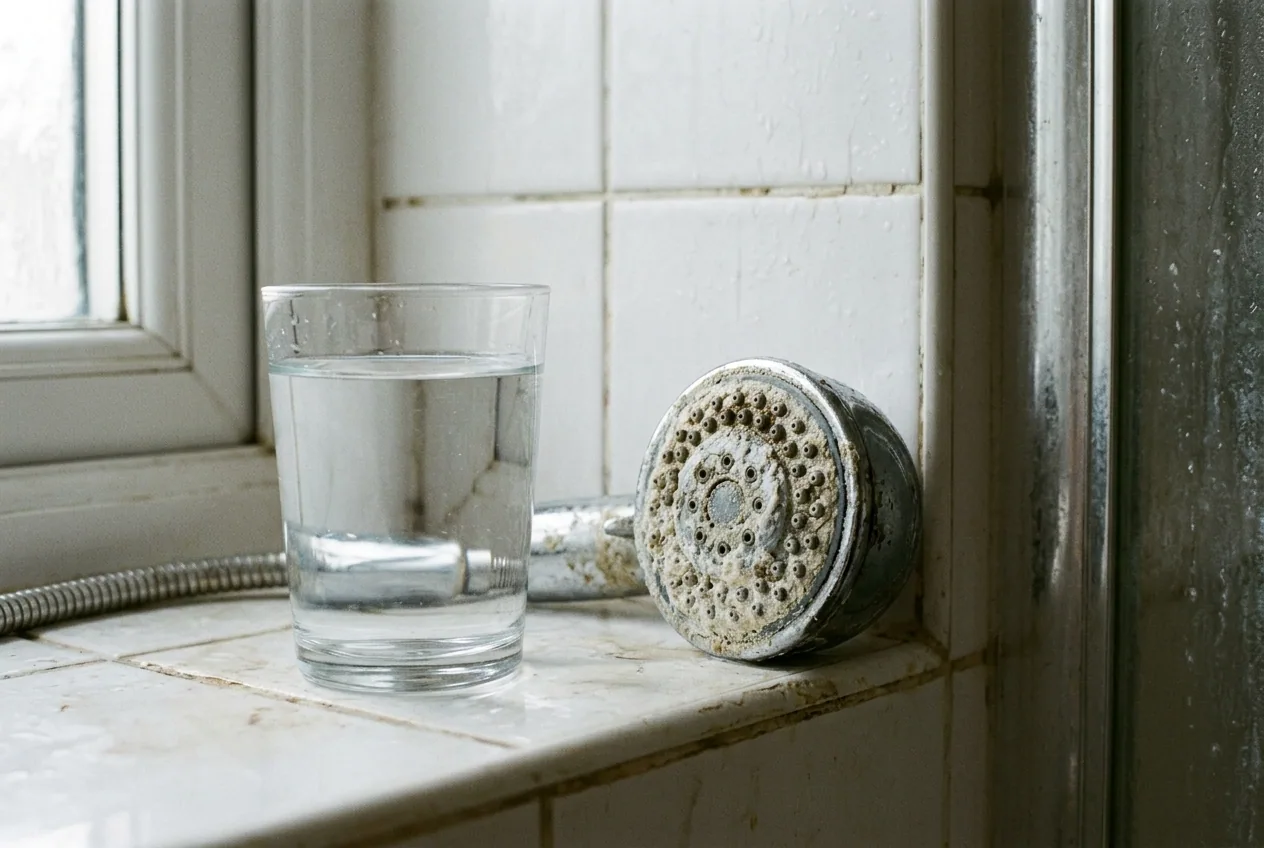
What hard water actually looks like in a valley house, illustrative image for water treatment in Las Vegas
Illustrative image, not a photo of our work
291 ppmLas Vegas tap water hardness
17 gpgGrains per gallon, classed very hard
90%Of Southern Nevada water comes from Lake Mead
5Incorporated cities in Clark County, the rest is county

Figures above are published third party data, not company claims. Sources: Las Vegas Valley Water District, water district hardness figure, water district supply figure, Clark County.

  • Las Vegas and Clark CountyThe service area on our own mark. Every incorporated city in the valley plus the unincorporated towns, which is where about a million people live.
  • Repair, install, maintainThe three verbs on our logo, and the whole scope. Emergency repair through to planned replacement and annual servicing.
  • Water softeners, all makes and modelsInstallation, repair, replacement and maintenance, including units that came with the house. We are not an authorised dealer for any brand and we do not claim to be.
  • Sourced facts, no invented credentialsEvery local figure on this site links to the agency that published it. Nothing about licences, ratings or guarantees is printed until it has been verified.
The short answer

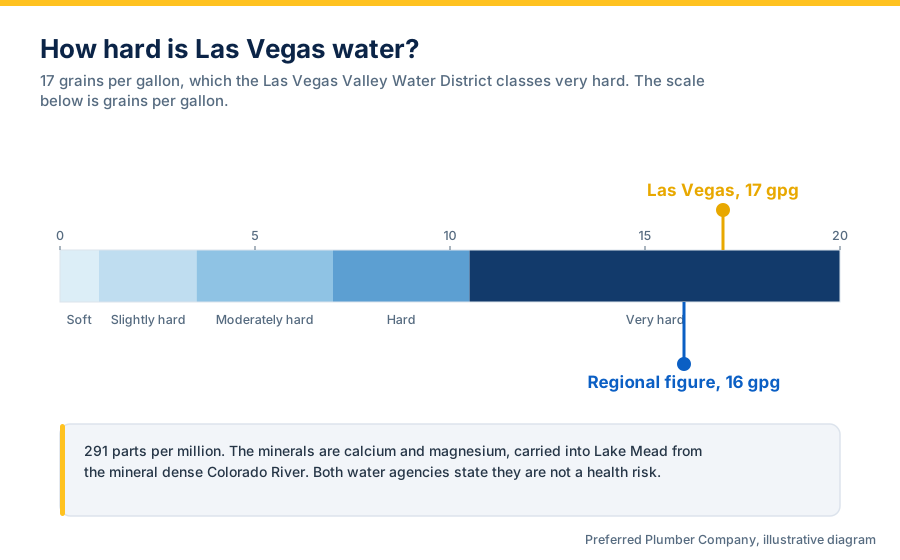
Las Vegas tap water runs about 291 parts per million, or 17 grains per gallon, which the water district classes as very hard. Softening, filtration and conditioning are three different products that fix three different complaints, and they get sold as if they were one.

What hard water actually looks like in a valley house

None of these mean your water is unsafe. The two minerals that cause hardness in this valley are calcium and magnesium, and both agencies that publish on it say plainly that they are not a health risk.

They do leave evidence everywhere, and this is the list homeowners describe to us.

  • White crust on shower heads, faucet aerators and the glass shower door
  • Soap and shampoo that will not lather, then a film left behind on skin
  • Spots on glassware straight out of the dishwasher, even on a rinse cycle
  • Laundry that comes out stiff and looks dull after a few months
  • A water heater that rumbles or pops when it fires
  • Kettles, humidifiers and coffee makers that scale up in weeks
Worth knowing before you spend anything

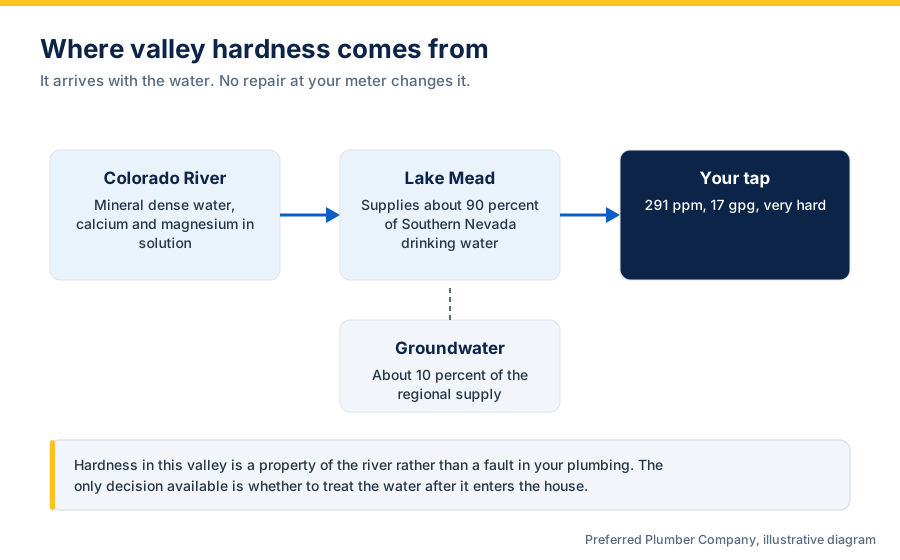
Hardness in the Las Vegas Valley is inherited, not local. Lake Mead supplies roughly 90 percent of Southern Nevada drinking water and groundwater supplies roughly 10 percent, and the minerals arrive with the Colorado River. No repair at your meter changes it. The only question is whether to treat the water after it enters the house.

Softening, filtration and conditioning are not the same thing

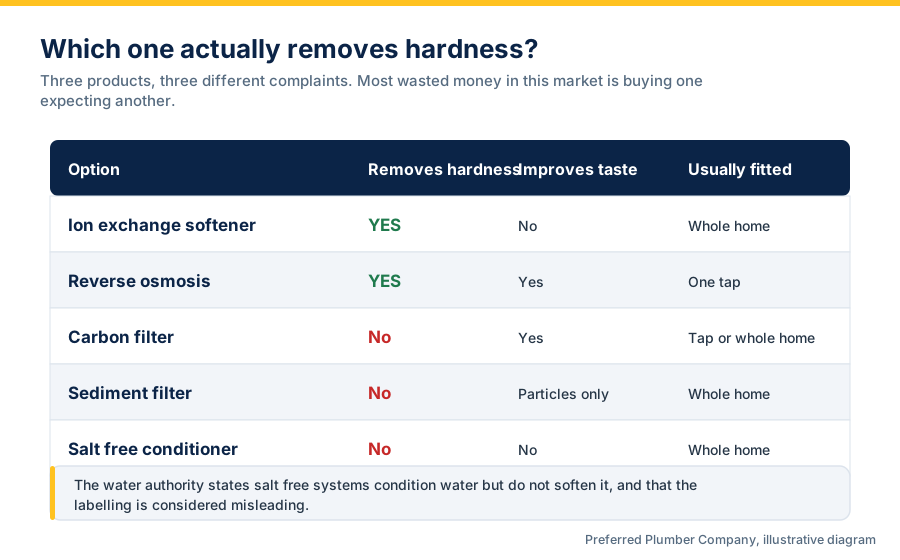
This table is the single most useful thing on this page. Most of the confusion in this market, and most of the money wasted in it, comes from buying one of these three expecting the result of another.

Three water treatment categories compared, with the water authority position on each
The productWhat it actually does
Ion exchange softener (salt)Removes the calcium and magnesium by swapping them for sodium. This is the only common household method that genuinely softens. It stops new scale and fixes the lather and spotting complaints.
Reverse osmosisThe one filter type that removes calcium and magnesium. Usually fitted under a sink for drinking and cooking water rather than for the whole house. Costs more per gallon and sends some water to drain.
Carbon filtrationImproves taste and smell, mostly by reducing chlorine. Does nothing to hardness. Often the right answer when the real complaint is that the water tastes like a pool.
Sediment filtrationCatches grit and particles. Protects fixtures and appliances. Does nothing to hardness.
Salt free conditionerConditions water, it does not soften it. The water authority states this directly, and researchers consider the salt free label misleading. Scale may deposit differently. Hardness does not change.
Whole home filter plus softenerThe combination that answers both complaints at once. It also needs the most space and the most drain access, which in a valley garage is the real constraint.
Water hardness scale in grains per gallon, showing Las Vegas tap water at 17 grains per gallon inside the very hard band
Diagram, not a photograph of our work
How it works

How we work out what you need

No test kit theatre. Valley hardness is published, so the useful conversation is about your house and your complaint, not about proving the water is hard.

  1. Tell us the complaint, not the product

    Spotting, lather, taste, scale in an appliance or a water heater that keeps failing. Each of those points at a different fix, and one of them points at no purchase at all.

    On the call
  2. We look at where it could physically go

    A softener needs an incoming line it can be tied into, a drain for the regeneration cycle, and power. In valley houses that is usually the garage wall by the water heater. This step is what most quotes skip.

    On site
  3. Size it on real numbers

    Capacity comes from people in the house, water used per person and grains per gallon. Seventeen grains is the figure this valley works to. Undersizing is why a softener regenerates constantly and eats salt.

    On site
  4. Install, commission and show you the settings

    We set the regeneration schedule, prove soft water at a tap, and walk you through salt and settings. You should leave the conversation able to run it yourself.

    Install day

If the honest answer is that a softener will not fix what is bothering you, that is the answer you get. The most common version of that: the complaint is taste, and taste is a filtration question.

Comparison of water treatment options showing which of softening, reverse osmosis, carbon filtration and salt free conditioning removes hardness
Diagram, not a photograph of our work
What it costs

What decides the price of water treatment

No rate or range for this work is published anywhere on this site, because none has been confirmed for publication for this business. What follows is the honest version: what actually moves the number on a job like this, so you can read any quote and judge it.

What you get from the call

Describe what is happening and you will hear what it usually means, what the repair involves and what somebody needs to see before quoting it. That happens whether or not you book the work.

What moves the number on this job

  • Access. The same repair costs very different amounts behind a cabinet, inside a wall, under a slab or four feet down in a yard. Access is usually the largest single variable.
  • Repair or replace. A cartridge is a part. A failed tank, exhausted softener resin or brittle polybutylene is a replacement, and no amount of repair spend fixes those.
  • Parts, and whether they still exist. A common cartridge is cheap and on the van. A control head for a discontinued softener is neither.
  • Permit and inspection, where the work needs them. A water heater replacement, a repipe and sewer work are permitted and inspected in this valley. That is real time and real cost, and work done without it turns up later in a buyer inspection.
  • Diagnosis time. Finding a hidden leak is a separate skill from fixing it, and on a slab leak the locating is most of the job. Paying for it is cheaper than exploratory demolition.

What to ask whoever quotes you

  • Which of the five things above is driving this number.
  • Is this a repair or a replacement, and what made you choose.
  • Does the price include the permit and the inspection, where the work needs one.
  • What is your Nevada contractor licence number. Plumbing is classification C-1, Plumbing and Heating, and the Nevada State Contractors Board register lets you check any licence in about a minute. Ask us the same question.

The three things people ask before they spend the money

Is Las Vegas water actually safe to drink?

Yes, on the published record. Both the Las Vegas Valley Water District and the Southern Nevada Water Authority state the minerals that make the water hard are not a health risk. The water authority goes further and says softening is not a necessity to protect your health. Hardness is a nuisance and an appliance cost, not a safety problem.

Do salt free systems work?

Not as softeners. They condition the water, and the water authority says so in plain language, adding that researchers consider the salt free labelling misleading. If what you want is an end to spotting and film, a salt free unit will disappoint you. If a salt based unit is impossible in your house, that is a real constraint worth discussing.

Does softened water taste salty?

It should not taste salty, but softening does add sodium to the water, and it is fair to want drinking water that has not been through it. The common answer is a softener for the house and reverse osmosis at the kitchen sink. Worth knowing: softened water is not ideal for houseplants, because of that same salt.
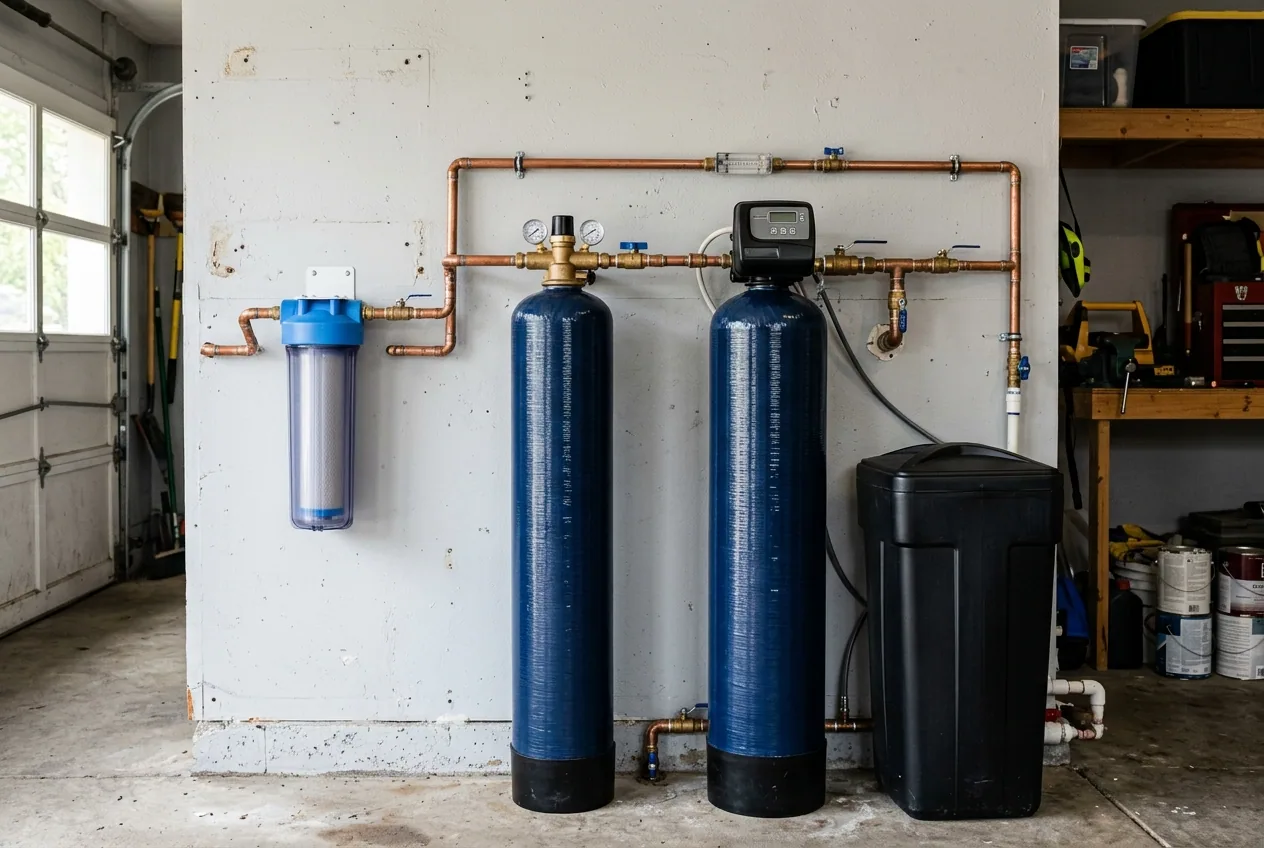
Diagram of Southern Nevada water supply, with about 90 percent from Lake Mead via the Colorado River and about 10 percent from groundwater
Diagram, not a photograph of our work
Checkable, not claimed

We have no reviews to show you yet, so here is verifiable fact instead

A new site with a wall of glowing testimonials should make you suspicious, and this one does not have them because no review corpus has been verified for this brand. Rather than fill the space with invented quotes, these are three things about your water and your county that you can check against the agency that published them.

Your water is 291 ppm, and that is not our opinion

The Las Vegas Valley Water District publishes valley tap water at 291 parts per million, 17 grains per gallon, and categorises it as very hard. It is the reason fixtures and water heaters here do not last as long as the box promised.

Read the water district page

Softening is a preference, not a health need

The Southern Nevada Water Authority states that removing calcium and magnesium softens water but is not a necessity to protect your health. Any company telling you otherwise is contradicting the agency that tests your supply.

Read the water authority page

Nevada plumbing is licensed as C-1

Plumbing and Heating, issued by the Nevada State Contractors Board under chapter 624. You can check any contractor licence on their register in about a minute, and you should, before work starts.

Check a licence on the register
What the work looks like

Water treatment in a valley home

An illustrative image, not a photograph of our work.

Water treatment work in a Las Vegas home, illustrative image
Illustrative image, not a photo of our work

What the work looks like

An illustrative view of the equipment and access this job involves. It is not a photograph of our work.

Photography note

These are illustrations and diagrams, not photographs of our work. No job photography, before and after pair, van, uniform or team photograph appears anywhere on this site, because we do not have verified photographs of this company work yet and generating them would fabricate evidence about a real business. Real job photography is on the list to add.

Where we work

Water treatment across Clark County

We cover water treatment in every community below. Each area page names the authority that issues a permit for that address, which matters whenever this work is permitted.

One way in, and it is the phone

Talk to us about water treatment

One call. You get the diagnosis before the number, and the cost of the visit before anyone is sent out.

Reach Preferred Plumber Company

Licence
Nevada State Contractors Board licence NV #0078989, C-1D Plumbing held by Preferred Plumbing LLC
Service area
Clark County, Nevada, including Las Vegas, Henderson, North Las Vegas, Summerlin, Paradise, Spring Valley, Enterprise, Sunrise Manor, Centennial Hills and Boulder City

We are a service area business. We come to you, so there is no counter to visit and no street address on this page. The number above is the fastest way in.

What to have ready

None of it is required. All of it makes the call shorter.

Calling about Water treatment? Say that first and we can skip straight to the questions that matter for it. Something else? Choose from the full service list.

  • Where you areThe address, and a cross street if the address is new or hard to find. Which end of the valley you are on decides who is closest.
  • What is happening, in your own wordsNo plumbing vocabulary needed. "Water under the sink since this morning" is a better description than a guess at the cause.
  • Whether water is running right nowThis is the question that changes everything else. If it is, say so first and we will talk you to the shutoff before anything else.
  • What you have already triedPlunged it, reset the disposal, flipped the breaker, ran the softener through a regeneration. It saves repeating the steps that did not work.
  • Whether you own or rentA landlord or an HOA sometimes has to authorise the work, and it is better to find that out on the phone than at the door.

Water pouring right now? Do not read the rest of this. Call (725) 255-9011 and shut off the supply while it rings.

Water treatment questions

How hard is Las Vegas water exactly?

The Las Vegas Valley Water District publishes valley tap water at 291 parts per million, which is 17 grains per gallon, and classifies it as very hard. The Southern Nevada Water Authority publishes the regional figure as 280 parts per million, or 16 grains per gallon. Both numbers are on those agencies own pages and both are linked on this site.

Why is the water hard here at all?

The minerals come in with the water. Calcium and magnesium are carried into Lake Mead from the mineral dense Colorado River, and Lake Mead supplies roughly 90 percent of Southern Nevada drinking water. It is a regional condition, not a fault in your plumbing.

Will a softener fix my water pressure?

No, and if anyone tells you it will, ask them why. Low pressure is usually a failing pressure regulator, a partly closed valve, a corroded galvanised line or a leak. A softener that is due for service can actually reduce flow slightly, which is the opposite of the promise.

Do I need a plumber, or can a water treatment company do this?

A softener install is plumbing work. It is cut into your incoming water line and tied to a drain, and in Nevada plumbing is licensed under classification C-1, Plumbing and Heating, through the Nevada State Contractors Board. Ask whoever quotes you for their licence number and check it on the board register before work starts.

Do you service equipment you did not sell?

Yes. We service water softeners of all makes and models, including units that were here before you moved in and units bought from a retailer. We do not describe ourselves as an authorised dealer for any brand, because we are not making claims about manufacturer relationships we cannot show you.

Talk to someone about water treatment

Describe what is happening and we will tell you what it usually takes to fix, before anyone comes out.